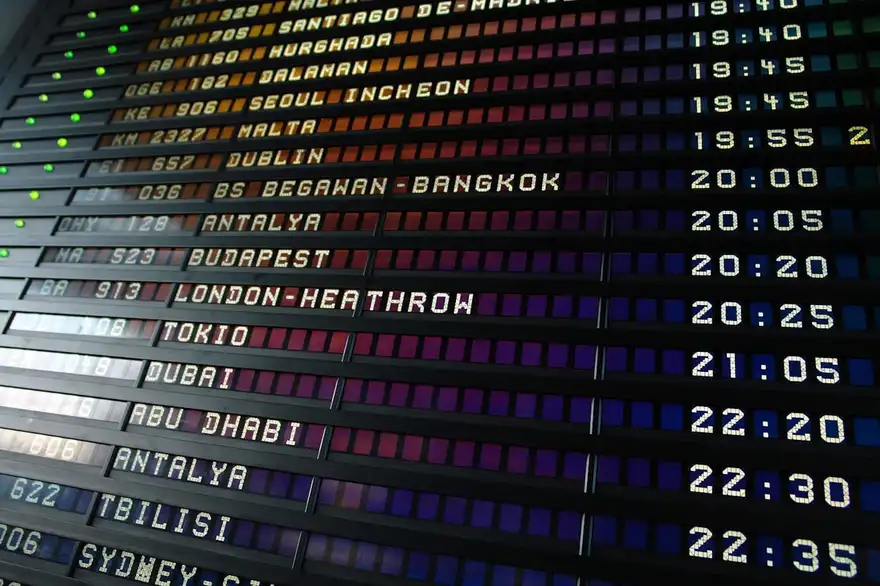
The Japanese yen is close to its weakest against sterling since 2008, which is the whole story here: it is not the airfare that has moved, it is everything you pay for once you land. Tokyo is one of the thirty destinations we price hourly from ten UK airports — the current fare is on our Tokyo page. Combined with the exchange rate, Japan is delivering value that may not last.
- Fly into Osaka (KIX) instead of Tokyo (NRT/HND) — fares are often $100–200 cheaper.
- Avoid Golden Week (late April–early May) and cherry blossom season for the lowest prices.
- January and February offer the cheapest fares and smallest crowds for most regions.
- A 7-day JR Pass pays for itself if you travel between 3+ cities — buy before you fly.
Japan has always been on the bucket list. But 2026 may be the most financially compelling year in a decade to finally go, and the reason is not the airfare. The yen remains historically weak against the pound, which makes Japan one of the most affordable countries in the developed world for a British visitor — a country with a reputation for being expensive that currently is not.
We have crunched the numbers. Here is everything you need to know — from when to book to what it will actually cost you on the ground.
The Yen Effect: How Much Are You Actually Saving?
The yen sits near its weakest against the dollar in more than thirty years, and against sterling since 2008. That is not a minor fluctuation and it is not about airfares: it means what you spend inside Japan — hotels, trains, restaurants, entry tickets — costs a British visitor substantially less than it did five years ago, on a country that spent the previous decade with a reputation for being unaffordable.
Check the live rate before you budget rather than trusting a figure written into an article. Rates move, and this page is re-checked on a schedule rather than continuously.
The effect compounds across a trip rather than showing up in one line. A mid-range Tokyo hotel, a bowl of ramen, a week on the rail pass and every museum ticket all fall by the same proportion at once — which is why a fortnight in Japan now compares with a fortnight somewhere Britons think of as cheap, rather than with the splurge it used to be.
Getting to Japan from the UK
Tokyo is on our long-haul board, priced hourly from all ten UK airports we search. There is no useful table to print here: the fare moves daily, and any figure written into an article is wrong within the week. The Tokyo page carries today's, along with what the route costs from each British airport that returned a fare and how many stops the cheapest itinerary takes.
What does not move is the shape of the journey. Nonstop from London is around twelve hours; almost everything cheaper connects, usually through a Gulf hub or a Chinese or Korean one, and the cheapest itineraries tend to hide their saving in a long layover. We publish the wait beside the price for that reason.
Best Times to Visit Japan in 2026
🌸 March–April (Cherry Blossom Season)
The most iconic Japan experience. Sakura peaks vary by region — Tokyo typically blooms late March. Book flights and accommodation 5–6 months in advance. This is peak season; prices spike but the experience is unmatched.
🍂 October–November (Autumn Foliage)
Arguably the best value season. Weather is perfect, crowds are lighter than spring, and fall foliage rivals cherry blossoms in beauty. This is when our AI detects the most Sweet Spot fare alerts.
❄️ January–February (Winter)
Lowest fares of the year. Excellent for skiing in Hokkaido, fewer tourists in Kyoto, and Japanese winter food is extraordinary. Cold but manageable in most cities.
☀️ June–August (Summer)
Hot and humid. July–August is Japanese school holiday season — expect larger domestic crowds. The least recommended period for first-time visitors, though fares are moderate.
What Does a 10-Day Japan Trip Cost in 2026?
- Flights (round trip, LAX): $450–$620
- Accommodation (mix of hotels + ryokan): $80–$150/night → $800–$1,500 total
- Food (eating local, some splurges): $30–$60/day → $300–$600 total
- Japan Rail Pass (7 days): ~$280
- Activities and entry fees: $150–$300
- Total for one person: approximately $2,000–$3,300
The comparison worth making is against the places a fortnight usually goes. On the ground, Japan currently sits closer to South East Asia than to Western Europe — which is not a sentence anyone could have written about it ten years ago.
Which Airlines Fly It From Britain
The cheapest itinerary we find on this route is rarely a nonstop, and which carrier wins changes week to week. The ones that keep appearing:
- Japan Airlines and ANA: nonstop from Heathrow. The comfortable option, and the one to compare everything else against.
- British Airways: the other nonstop from Heathrow, and the one most likely to be matched on price by a connection.
- The Gulf carriers — Emirates, Qatar, Etihad: one stop, frequently the cheapest, and the reason a regional British airport can beat London on this route.
- Korean Air and China-based carriers: usually the lowest fare on the board, usually with the longest wait attached. Read the layover before booking the price.