Cheap Flights to Phu Quoc from the USA
Vietnam's largest island sits off the southwest coast in the Gulf of Thailand — white sand, clear water, and prices that make Thailand look expensive. Here's the cheapest fare our AI has detected, plus everything you need to know before you land.
Why Phu Quoc, right now
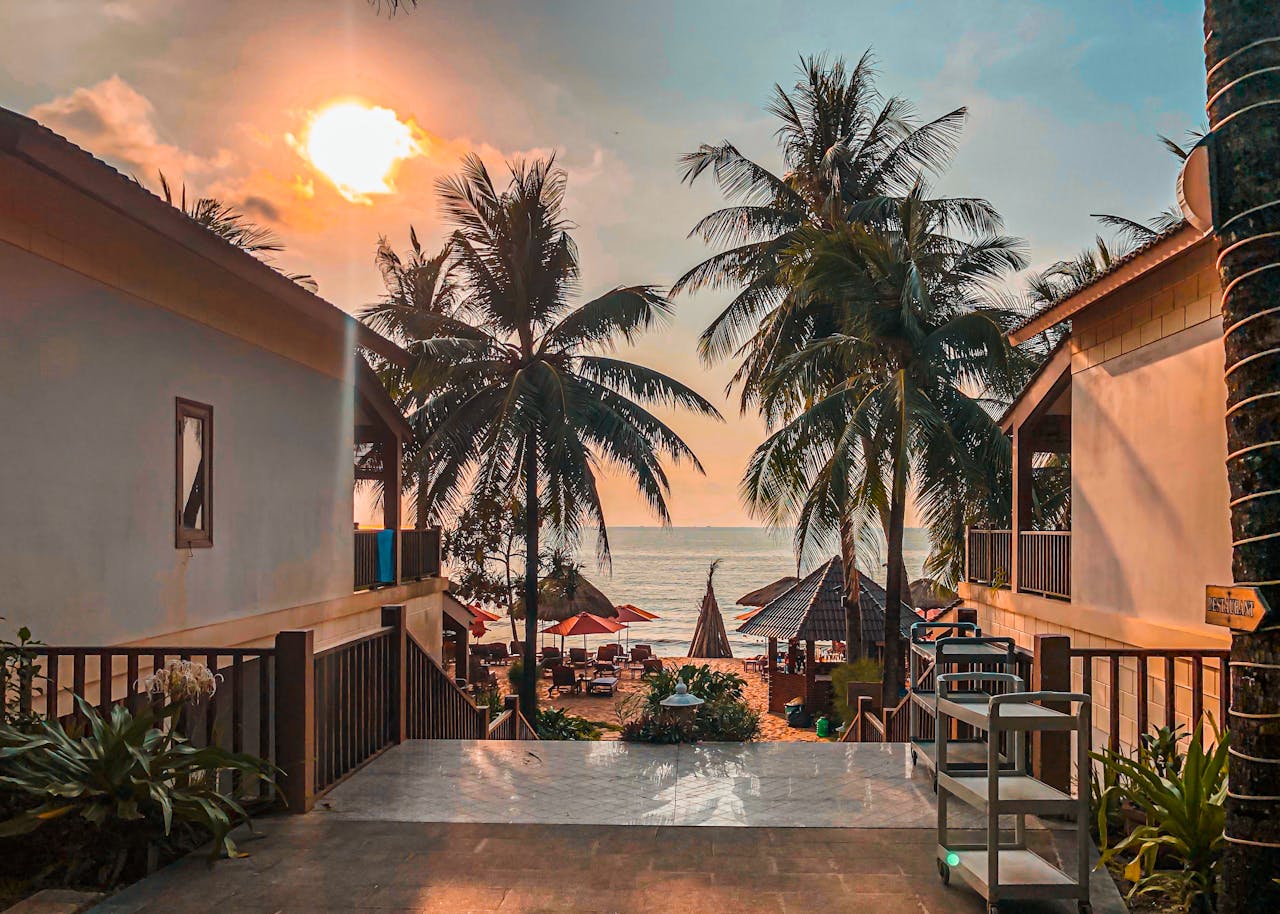
Phu Quoc was a sleepy fishing island a decade ago. International flights started arriving around 2013, resort construction accelerated through the 2020s, and today the island splits cleanly between a northern half that's still relatively undeveloped national park and jungle, and a southern strip anchored by Long Beach and Duong Dong town where most of the hotels and restaurants cluster. The development is real but it hasn't caught up with Bali or Phuket yet — prices are still significantly lower, and the northern beaches remain uncrowded.
The numbers make the case: a solid beachfront hotel on Long Beach runs $40–$80/night. A fresh seafood dinner for two with beer costs $15–$25 at Dinh Cau Night Market. A motorbike rental is $8–$12/day. An island tour with a local operator covering the An Thoi archipelago (18 islands south of the main island) by boat runs $25–$40 per person including lunch. By Southeast Asian standards this is mid-range; by US standards it is extremely affordable for a beach destination.
The island also makes sense as a Vietnam add-on. Ho Chi Minh City is 50 minutes by air — combine 3–4 days in HCMC with 5–7 days on Phu Quoc and you have a complete trip. VietJet and Vietnam Airlines operate frequent connections between the two for $30–$60 round-trip if booked ahead.
Top 5 things to do in Phu Quoc
-
An Thoi Archipelago boat tour18 small islands off the southern tip of Phu Quoc, with snorkeling spots that still have coral in reasonable condition and fish populations that justify the trip. Full-day tours ($25–$40/person) cover 3–4 islands, include snorkeling gear, a fresh seafood lunch on the boat, and free flow of basic drinks. Book through your hotel rather than from touts at the pier — quality varies significantly.
-
Dinh Cau Night MarketThe main market in Duong Dong town runs every evening from around 5pm and packs 50+ stalls selling grilled seafood, bánh mì, fresh fruit, and Vietnamese street food at prices from $1–$5 per dish. Go hungry; go early before the best grilled squid and king prawns sell out (usually by 7:30pm). This is where locals and visitors converge and the energy is genuinely excellent.
-
Sao Beach (Bai Sao)The island's most photographed beach — powdery white sand on the southeast coast, calm shallow turquoise water, and enough space that it never feels crowded except on weekend afternoons. No major resort development yet. Rent a motorbike from Duong Dong (30–40 minute ride), pay $1 for parking, and spend the day. A few local restaurants at the beach serve fresh fish for $8–$15.
-
Phu Quoc National Park north loopAbout 70% of the island is protected national park with jungle trails, streams, and significantly less tourist infrastructure than the south. Rent a motorbike and take the dirt roads north from Duong Dong — the Suoi Tranh waterfall is 3 miles from town and costs $1.50 to enter. The northern beaches (Bai Dai, Bai Thom) are uncrowded and undeveloped, which is increasingly rare on the island.
-
Fish sauce factory tour and pepper farm visitPhu Quoc produces arguably Vietnam's best nuoc mam (fish sauce) — the fermentation process takes 12–14 months in large wooden barrels and the smell is intense and fascinating. Several factories near Duong Dong offer free tours; Khai Hoan is the most well-organized. Combine with a visit to one of the island's black pepper farms (Phu Quoc pepper is geographically protected, like Champagne) — farms offer tastings for a dollar or two.
Island hopping tours, cooking classes, and dive excursions on Phu Quoc fill up fast during dry season. Browse options and book before you arrive.
Explore Phu Quoc activities on TripAdvisor →Practical info for US travelers
| ✈️ Airport | PQC — Phu Quoc International Airport, 6 miles south of Duong Dong. Direct flights from several Asian hubs; connections via Ho Chi Minh City (SGN) or Hanoi (HAN) from US gateways. Grab or taxi to town runs $4–$8. |
| 🛂 Visa | Vietnam requires a visa for US citizens. Apply for an e-visa at evisa.xuatnhapcanh.gov.vn ($25, 90-day single-entry). Approved in 3 business days typically. Do this before you fly. |
| 💵 Currency | Vietnamese Dong (VND). $1 ≈ VND 25,000. ATMs on the island dispense VND; most tourist businesses also accept USD. Cards accepted at larger hotels and restaurants; carry cash for markets. |
| 🗣️ Language | Vietnamese. English spoken at hotels and most tourist businesses; less common at local markets. A translation app (Google Translate camera function) handles menus and signage fine. |
| 🕐 Time zone | ICT (UTC+7), 12 hours ahead of EST. Vietnam does not observe daylight saving. |
| 🌡️ Climate | Tropical. Dry season November–April: 82–90°F, low humidity, clear water. Wet season May–October: 82–88°F with heavier rain and occasional rough seas. |
| 🔌 Plugs | Type A/C/F mixed. US plugs (Type A) often fit directly; bring a universal adapter for safety. 220V — use a voltage converter for sensitive electronics without dual-voltage. |
| 🛡️ Safety | Generally safe for tourists. Watch for motorbike traffic — the roads are fast and rules are loosely observed. Use Grab (the regional Uber equivalent) for metered rides. Don't drink tap water; bottled water is $0.30 everywhere. |
Best time to visit
November through April is the dry season and the optimal time to visit. December and January offer the clearest skies, calmest seas, and best snorkeling visibility. February through April extends the good weather with slightly lower accommodation prices than the peak holiday window. This is when Long Beach earns its reputation — flat water, strong sun, and conditions good enough for kayaking to nearby islands independently.
May through October is the southwest monsoon season — the island gets significant rain, often in long afternoon bursts rather than all-day downpours, and the seas on the west coast (Long Beach, Duong Dong) become rough. The east coast beaches (Sao Beach area) stay calmer during this period due to the island blocking wind. Budget travelers who can handle occasional rain will find prices 20–40% lower and the island noticeably less crowded.
Where to stay
We've mapped available hotels across Phu Quoc — from Long Beach budget guesthouses to resort properties near Sao Beach. Pick your dates for live pricing and availability.
Browse Phu Quoc hotels on the map →📅 Dates are pre-filled from today's best flight deal when available — double-check them before booking.
Getting around
Rent a motorbike. It's the standard mode of transport for visitors and locals alike, costs $8–$12/day, and gives you access to the entire island — including the northern dirt roads through the national park that taxis won't take you on. Most guesthouses and hotels arrange rentals on-site. An international driving permit isn't strictly enforced for tourists, but having one is useful if stopped. Drive on the right, watch for dogs in the road, and don't trust the quality of road surface past Duong Dong town.
Grab (the regional app equivalent of Uber) operates on Phu Quoc and is good for airport runs and evening trips when you don't want to drive in the dark. A cross-island trip by Grab runs $4–$10. Traditional taxis exist but rates are less predictable; insist on the meter or agree a price before getting in.
Bicycle rental ($3–$6/day) works fine within Duong Dong town and along the flat Long Beach strip. For anything beyond 5km or on hilly terrain, the motorbike is a better call. Electric scooters ($10–$15/day) are available at several rental points and handle most roads well if you're not comfortable with a regular motorbike.
Food & local tips
The seafood is the reason to eat on Phu Quoc. The island sits at the intersection of Vietnamese and Cambodian Gulf fishing grounds, and the variety and freshness at Dinh Cau Night Market is exceptional — grilled scallops with peanut butter sauce ($1–$2 each), whole grilled squid ($3–$5), freshly cracked king crabs, and lemongrass clams are the things to order. The market runs from roughly 5pm until midnight; locals eat around 6–7pm. Seafood restaurants along Ham Ninh fishing village on the east coast are another option — fresh off the boats, basic plastic-chair setup, excellent value at $10–$20/person.
Some beach restaurants near tourist areas post two effective prices — one when you walk in and one when the bill comes, padded with undisclosed service charges and "fresh catch" premiums decided after you order. Point to what you want at the tank or grill and confirm the price in VND before ordering. Photo menus with prices in VND are your clearest protection.
Bun quay is the island's signature dish — rice noodle soup with fresh seafood, slightly thicker than pho, served with raw herbs and a shrimp paste-based broth you add yourself. Phuong Bun Quay on Tran Hung Dao street in Duong Dong does the authentic version for around $2.50 a bowl and has been operating the same way for decades. The fish sauce from Phu Quoc has geographic indication status — buy a small bottle at a factory outlet and it'll cost $3–$5. The same bottle sells for $15+ at US specialty stores.
Ready to fly to Phu Quoc?
Search live fares on Kiwi.com — most US routes connect through a major Asian hub (Singapore, Hong Kong, Tokyo) before a short hop to Phu Quoc or via Ho Chi Minh City. Our AI tracks this route daily — set a price alert on the homepage for notifications when fares drop.
✈️ Search flights to Phu Quoc