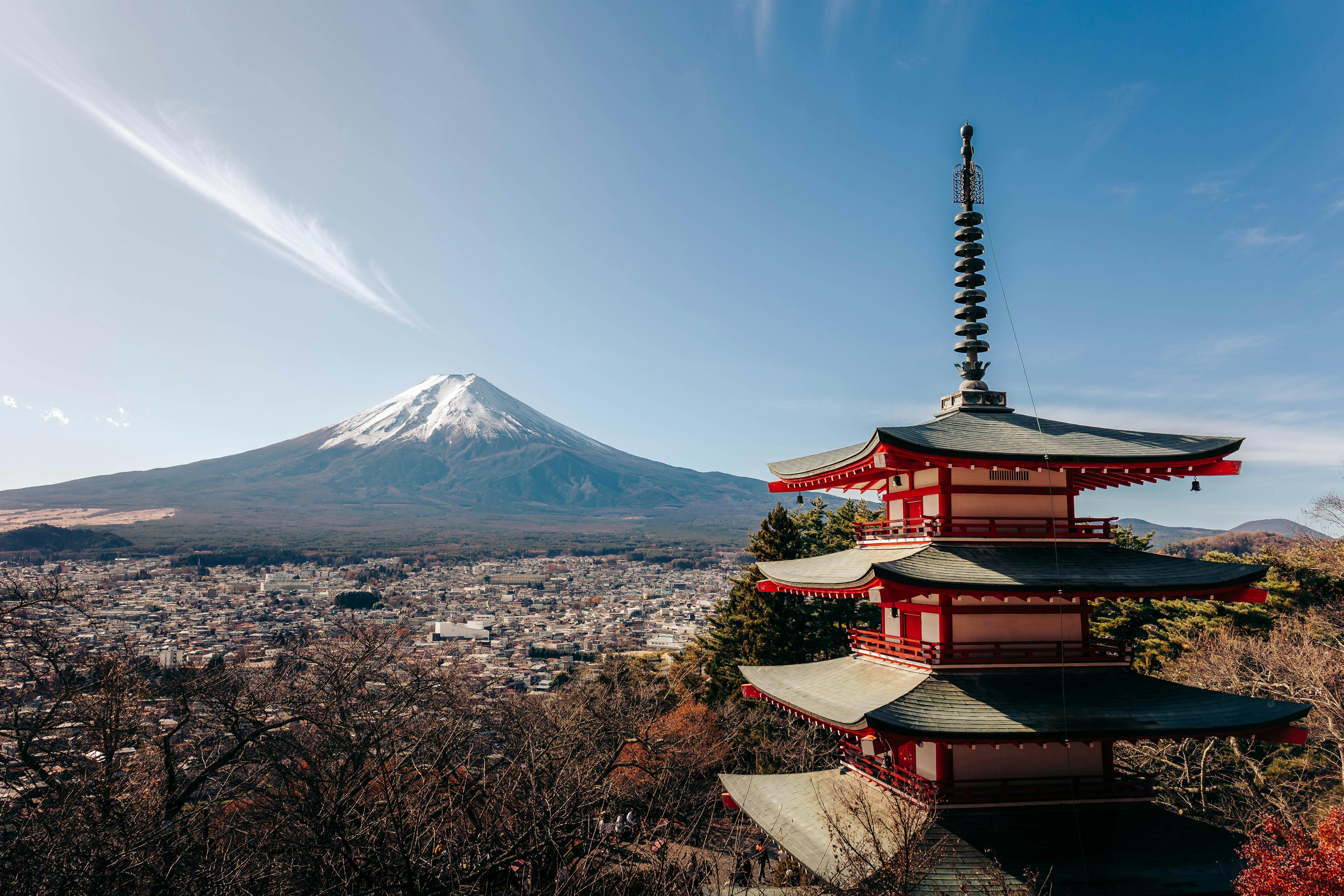
Our AI has tracked a 18% drop in US–Japan flight prices year-over-year. Combined with the historically weak Japanese yen — which makes every meal, hotel, and activity 25–35% cheaper for American travelers — Japan is delivering exceptional value that may not last.
Japan has always been on the bucket list. But 2026 may be the most financially compelling year in a decade to finally go. Two major forces are converging: flight prices have dropped significantly as capacity expanded post-pandemic, and the yen remains historically weak against the US dollar, making Japan one of the most affordable countries in the developed world for American visitors.
We have crunched the numbers. Here is everything you need to know — from when to book to what it will actually cost you on the ground.
The Yen Effect: How Much Are You Actually Saving?
For most of the 2010s, the exchange rate hovered around ¥110–¥115 per dollar. In 2026, it trades at approximately ¥150–¥155 per dollar. This is not a minor fluctuation — it means Japan costs 30–40% less than it did five years ago for American travelers.
A mid-range hotel in Tokyo that cost $180/night in 2019 now runs approximately $120/night at current exchange rates. A ramen lunch that cost $14 now costs about $9. Over a 10-day trip, the savings add up to $400–$700 per person compared to pre-yen-weakness travel.
Cheapest Flights from the US to Japan: What Our AI Found
| Route | Average Fare (2026) | Historic Low Detected | Best Month |
|---|---|---|---|
| New York (JFK) → Tokyo (NRT) | $720 | $580 | January |
| Los Angeles (LAX) → Tokyo (NRT) | $560 | $420 | January / September |
| Chicago (ORD) → Tokyo (NRT) | $760 | $610 | February |
| San Francisco (SFO) → Osaka (KIX) | $580 | $450 | October |
| Seattle (SEA) → Tokyo (HND) | $620 | $490 | September |
Best Times to Visit Japan in 2026
🌸 March–April (Cherry Blossom Season)
The most iconic Japan experience. Sakura peaks vary by region — Tokyo typically blooms late March. Book flights and accommodation 5–6 months in advance. This is peak season; prices spike but the experience is unmatched.
🍂 October–November (Autumn Foliage)
Arguably the best value season. Weather is perfect, crowds are lighter than spring, and fall foliage rivals cherry blossoms in beauty. This is when our AI detects the most Sweet Spot fare alerts.
❄️ January–February (Winter)
Lowest fares of the year. Excellent for skiing in Hokkaido, fewer tourists in Kyoto, and Japanese winter food is extraordinary. Cold but manageable in most cities.
☀️ June–August (Summer)
Hot and humid. July–August is Japanese school holiday season — expect larger domestic crowds. The least recommended period for first-time visitors, though fares are moderate.
What Does a 10-Day Japan Trip Cost in 2026?
- Flights (round trip, LAX): $450–$620
- Accommodation (mix of hotels + ryokan): $80–$150/night → $800–$1,500 total
- Food (eating local, some splurges): $30–$60/day → $300–$600 total
- Japan Rail Pass (7 days): ~$280
- Activities and entry fees: $150–$300
- Total for one person: approximately $2,000–$3,300
For comparison, a similar 10-day trip to Western Europe (Paris, Rome, Barcelona) typically runs $2,800–$4,200 for one person in 2026. Japan is now cheaper than most of Western Europe.
The Airlines With the Best US–Japan Deals
Our algorithm consistently finds the lowest fares on these carriers for US–Japan routes:
- Japan Airlines (JAL): Consistently competitive, excellent service, often cheapest from East Coast
- ANA (All Nippon Airways): Premium experience at mid-range prices; great deals in January–February
- Korean Air: Excellent Seoul layovers; often $50–$100 cheaper than direct options
- EVA Air: Via Taipei; strong value from the West Coast
- United / American: Direct from some hubs but typically $100–$200 more expensive
Check today's flight prices to Japan
AI-confirmed historic lows from your city to Tokyo (NRT/HND) or Osaka (KIX). Updated every hour.
🔍 Search Japan Flights