Limón is Costa Rica's most underrated region — raw, multicultural, and brimming with Caribbean energy that the Pacific coast simply can't replicate.
- Limón covers Costa Rica's entire Caribbean coast — from the Nicaraguan border down to Panama.
- Best dry seasons: February–March and September–October for beach visits and outdoor activities.
- Don't miss Tortuguero (sea turtles), Cahuita National Park (snorkeling + wildlife), and Puerto Viejo (surf + nightlife).
- October carnival in Puerto Limón is one of Costa Rica's most vibrant festivals — book hotels weeks in advance.
- Flights from San José to Limón take about 45 minutes; driving via the Guápiles Highway takes ~2.5 hours.
Forget the Pacific. Costa Rica's Caribbean side — anchored by Limón Province — is where the real adventure begins. Stretching nearly 200 km along the Atlantic shore, Limón blends dense rainforest, coral reefs, nesting sea turtles, reggae-soaked beach towns, and a uniquely Afro-Caribbean culture that feels worlds apart from the resort-heavy Pacific coast. It's the side of Costa Rica that rewards curious travelers — and those who make the trip rarely look back.
What Is Limón, Costa Rica?
Limón is Costa Rica's easternmost province, covering roughly 9,200 km² along the entire Caribbean coast. Its capital, Puerto Limón, is the country's primary Caribbean port — a multicultural hub shaped by Afro-Caribbean, Chinese, Bribri Indigenous, and mestizo communities. Christopher Columbus landed just offshore here in 1502, and the region's history since then has been every bit as layered and vivid as its landscape.
While Puerto Limón itself is primarily a commercial port city, the surrounding province is packed with world-class nature and culture. The key towns travelers gravitate toward are Cahuita, Puerto Viejo de Talamanca, and Manzanillo to the south, and the remote canal-laced paradise of Tortuguero to the north.
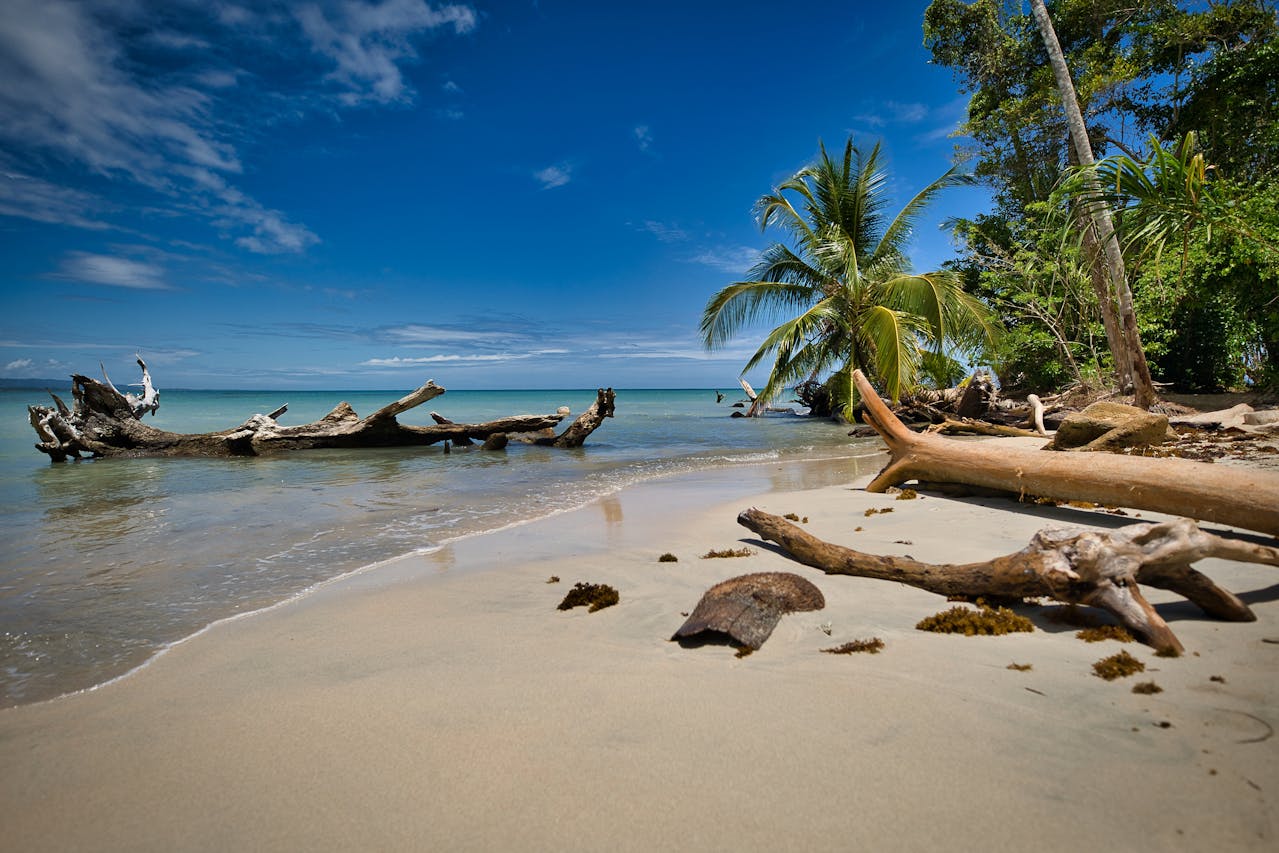
The Caribbean coast of Limón — where jungle meets crystal-clear sea.
Best Beaches in Limón
Limón's beaches are dramatically different from the manicured strands of the Pacific — here you get wild, lush, and largely uncrowded. Within an hour's drive of Puerto Limón, you'll find a string of stunning options.
Punta Uva Beach
Often called a paradise — soft sand, clear warm water, shade from tropical vegetation, and coral reefs perfect for snorkeling just offshore.
Playa Cocles
The top surf beach in Limón, with consistent waves and moderate currents. Beginners should take lessons here before graduating to heavier breaks.
Playa Negra
Striking black-sand beach near Cahuita — great for surfing and one of the most visually dramatic stretches of coast in Costa Rica.
Playa Bonita
The most accessible beach from Puerto Limón city center (just 4 km northwest), with a lively bar scene, fresh seafood restaurants, and good swimming.
Playa Chiquita
A quiet, low-key stretch south of Puerto Viejo — ideal if you want sand and silence rather than crowds. Bring a book and disappear.
Playa Blanca (Cahuita)
Inside Cahuita National Park — the white sand and reef access make it one of the most rewarding beaches in the country for snorkelers.
Top Attractions & Things to Do
1. Tortuguero National Park — The Amazon of Costa Rica
Accessible only by boat or small plane, Tortuguero is one of Costa Rica's most extraordinary destinations. Its labyrinth of jungle canals teems with caimans, river otters, manatees, three species of monkey, and over 400 bird species. Between July and October, it's the nesting ground for endangered green sea turtles — witnessing a turtle lay her eggs on the beach at night is one of the most memorable wildlife experiences on earth. Budget at least two nights to do it justice.
2. Cahuita National Park — Free Snorkeling & Rainforest Trails
Just 45 minutes south of Puerto Limón, Cahuita National Park is one of the best free attractions in all of Costa Rica (entry is by donation). An 8 km coastal trail winds through protected rainforest — expect sloths, howler monkeys, coatis, and an astonishing range of birds. The real draw underwater: the park protects 22,000 hectares of Caribbean reef, home to tropical fish, nurse sharks, and the occasional sea turtle. Go early to beat the heat and catch the most wildlife.
3. Puerto Viejo de Talamanca — Surf, Culture & Nightlife
Puerto Viejo is the beating heart of Caribbean tourism in Costa Rica. It's compact enough to explore by bicycle, yet packed with reggae bars, excellent Caribbean restaurants, surf schools, and vibrant street life with a strong Jamaican-Afro-Caribbean character. The famous Salsa Brava surf break here is one of the most powerful in Central America — experienced surfers only. For everyone else, gentler breaks at nearby Playa Cocles are perfect for lessons.
4. Gandoca-Manzanillo Wildlife Refuge
At the southern tip of the province, Manzanillo borders a protected refuge of jungle, mangroves, and coral reefs. It's quieter than Puerto Viejo and perfect for nature-focused travelers. Between March and June, leatherback turtles nest on the refuge's beaches — you can book guided night tours to witness the nesting.
5. Pacuare River White-Water Rafting
The Río Pacuare is consistently ranked among the world's best white-water rafting rivers. Day trips from Puerto Limón run through spectacular Class III–IV rapids surrounded by untouched jungle canyon — an adrenaline highlight for any trip to Limón.
6. October Carnaval in Puerto Limón
Every October, Puerto Limón hosts the Día de la Raza Carnival — Costa Rica's most exuberant festival. Calypso, soca, reggaeton, elaborate costumes, and street food take over the city for a week. Hotel prices spike by up to 50% and sell out fast; book weeks in advance if you plan to attend.
Best Time to Visit Limón
| Period | Weather | Best For |
|---|---|---|
| Feb – Mar | Dry Season ☀️ | Beaches, hiking, snorkeling |
| Jul – Oct | Warm & humid | Turtle nesting in Tortuguero |
| Sep – Oct | Second Dry Season ☀️ | Outdoor activities, fewer crowds |
| October | Festival month 🎉 | Carnaval — book early! |
| Nov – Jan | Rainiest period 🌧️ | Off-peak, best deals on flights |
Unlike most of Costa Rica, Limón follows a distinctly Caribbean rainfall pattern — there are two dry seasons rather than one, and the rainiest months fall in November–January when the Pacific side is at its sunniest. This makes Limón an excellent shoulder-season destination when the rest of the country is crowded.
How to Get to Limón
By Plane
Daily flights from San José (SJO) to Limón Airport (LIO) take about 45 minutes. Small planes also fly between Tortuguero and Limón.
By Car
From San José, take the Guápiles Highway (Ruta 32) — approximately 2.5 hours. The most direct and well-maintained route.
By Bus
Regular buses depart from San José's Terminal Caribeño to Puerto Limón. Journey time is around 2.5–3 hours and tickets are inexpensive.
To Tortuguero
A water taxi departs daily from the docks at Moín at 10am. Arrive before 9am to secure your spot — seats fill up fast in high season.
Where to Stay in Limón
For most travelers, Puerto Viejo de Talamanca is the best base — it has the widest range of accommodation, restaurants, and onward connections to beaches and parks. Cahuita is quieter and ideal if Cahuita National Park is your main priority. For Tortuguero, you'll need to stay inside the park's village — lodges range from budget guesthouses to mid-range ecolodges along the canals.
Avoid staying in central Puerto Limón city unless you're there for the carnival — most hotels downtown are dated and poor value. Playa Bonita, 4 km from the city center, offers far better options with sea views.
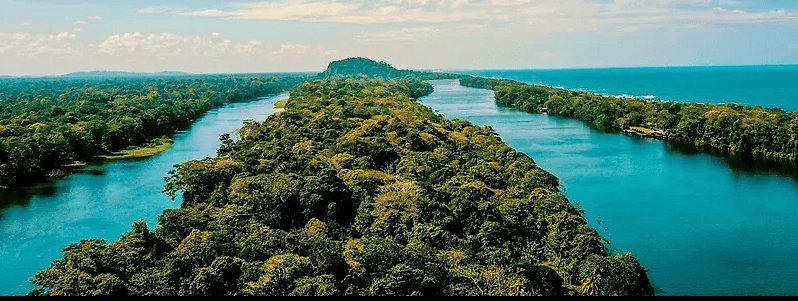
The Tortuguero canals — accessible only by boat and absolutely worth it.
Essential Travel Tips for Limón
Cash Is King
Cahuita National Park charges a $5 USD donation in cash only. Many smaller towns and beach vendors don't accept cards — carry colones.
Mosquito Repellent
This is a tropical rainforest region. Pack strong DEET repellent, especially for canal tours in Tortuguero and evening walks.
Expect Rain Anytime
Even in dry season, afternoon showers are common on the Caribbean coast. A light waterproof jacket is always useful.
Rent a Bike in Puerto Viejo
Puerto Viejo and the surrounding beach towns are perfectly suited to cycling. Rent a bike for a day and explore the coast at your own pace.
Is Limón Safe for Tourists?
Limón has a reputation that doesn't match reality for most visitors. The beach towns of Cahuita, Puerto Viejo, and Manzanillo are safe and well-visited by international travelers. Standard precautions apply: don't leave valuables on the beach or in a parked car, be aware of your surroundings at night in Puerto Limón city, and stick to recommended tourist areas. The national parks and natural areas are safe and well-managed. Hundreds of thousands of tourists visit Limón every year without incident.
Final Thoughts
Limón is one of those rare destinations that feels genuinely authentic — the Afro-Caribbean culture, the wild coast, the corridor of jungle-backed beaches running south from Puerto Viejo, and the almost surreal remoteness of Tortuguero. It's a side of Costa Rica that even many visitors to the country have never seen. If you're planning a trip and wondering whether to venture east of San José — go. You won't regret it.
Ready to fly to Limón?
Find the cheapest flights to San José (SJO) and start your Caribbean adventure.
🔍 Search Flights to Costa Rica