Cheap Flights to Rome from the USA
Two and a half thousand years of history, a pasta dish on every corner, and a city so dense with things to see that most visitors leave with a list longer than the one they arrived with. Here's the cheapest fare our AI has detected, plus everything you need to plan the trip.
Why Rome, right now
Rome is the city where you trip over greatness. You walk past a fragment of an ancient aqueduct on the way to buy bread. The Pantheon — built in 125 AD, still structurally sound, still drawing crowds — sits in a piazza ringed by trattorias where a glass of house wine costs €3. That layering of the extraordinary onto the everyday is the thing you can't replicate anywhere else, and it's the reason people fly here specifically rather than to a sanitized museum version of history.
The city rewards slow movement. The Spanish Steps are beautiful at 7am before the tour groups arrive. The Trastevere neighborhood across the Tiber fills up at night with Romans eating outside until midnight. Grab a supplì (fried risotto ball, €2–€3) from a street counter in the Campo de' Fiori at noon and you've had lunch better than most places you've paid $20 for. Rome is not cheap by Italian standards, but it is substantially cheaper than London or Paris for the same quality of experience.
Practically: a double espresso at a bar (standing, at the counter) costs €1.20–€1.50. A seat at a table doubles the price — that's the system, not a tourist trap. A bus + metro day pass runs €7. A good pizza by the slice at a forno (bakery) is €3–€5 for a serious piece. For a city this famous, you can still eat and move around without spending a fortune.
Top 5 things to do in Rome
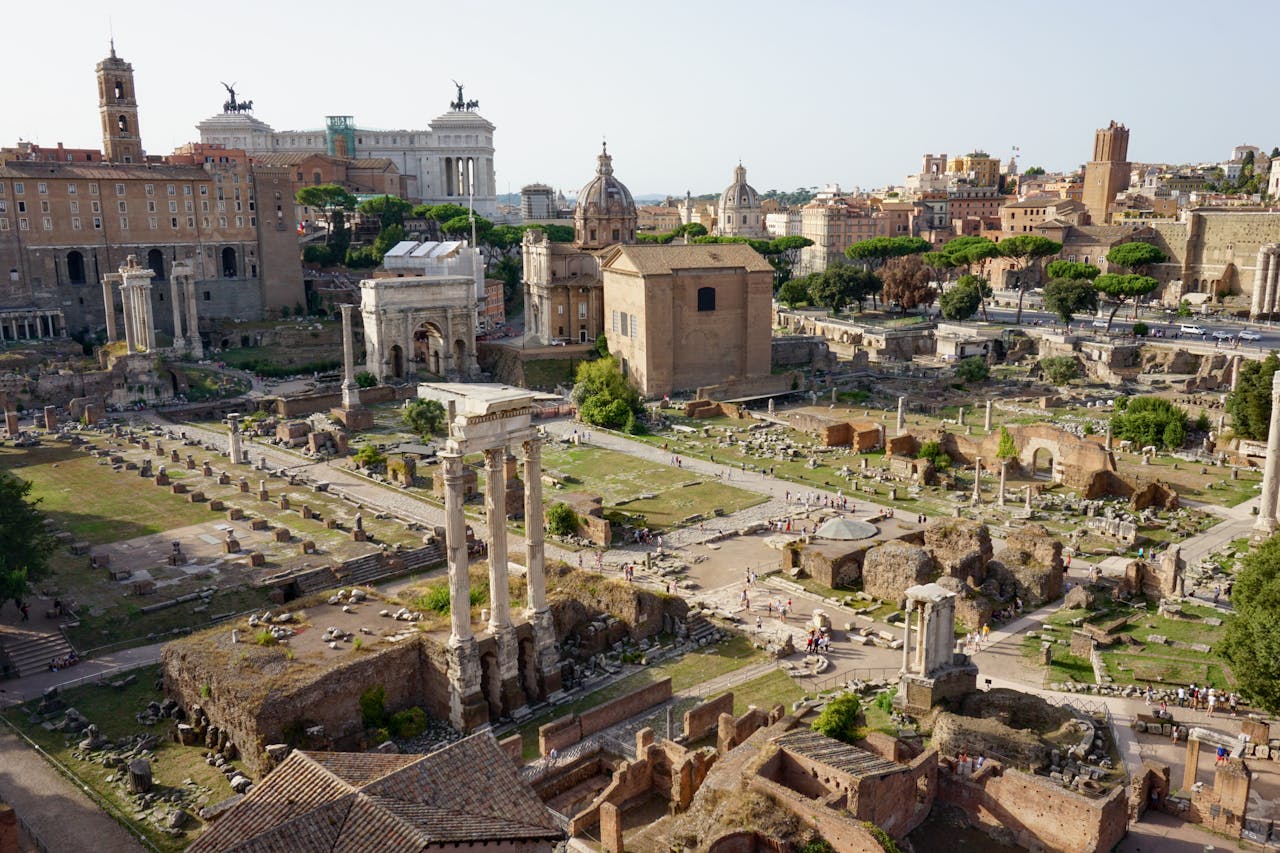
- The Colosseum and Roman Forum Skip the day-of ticket line entirely — they sell out and the line is brutal. Book online at least 3 days ahead (€16–€22). A combined ticket covers the Colosseum, Palatine Hill, and the Roman Forum, which takes most of a half-day to walk properly. Go in the morning to beat the heat; by 11am the Forum stones radiate like a furnace in summer.
- Vatican Museums and Sistine Chapel The largest art museum in the world, and the Sistine Chapel ceiling is genuinely worth the hype — Michelangelo painted it lying on scaffolding for four years, and that effort shows. Tickets are €20–€27; book 2–3 weeks ahead in peak season. Arrive right at opening (9am) or on a Friday evening (open until 10pm, far fewer crowds). You need 3–4 hours minimum.
- Toss a coin in the Trevi Fountain — then find the neighborhood Yes, do the Trevi thing. But then walk two minutes into the surrounding streets and find a bar for an espresso. The neighborhood around the fountain (Trevi district) is lovely and less walked than the main drag. Best at night when it's lit up and the crowds thin after 10pm.
- Wander Trastevere after dark Cross the Tiber to Trastevere — the city's oldest inhabited neighborhood — and do nothing in particular. Narrow medieval streets, ivy-covered buildings, street musicians at Piazza di Santa Maria. Dinner here runs €14–€22 for a main, which is honest Roman pricing. The neighborhood gets lively from 8pm, peaks around 10pm.
- Borghese Gallery (book weeks ahead) Rome's most important non-Vatican art collection, inside a villa in the middle of Villa Borghese park. Bernini sculptures here — including Apollo and Daphne — are widely considered the best marble work of the Baroque period. Entry is strictly timed (2-hour slots, €13 + €2 reservation fee) and genuinely sells out 2–4 weeks out in spring and fall. Book before you board your flight.
Rome has more to see than any 10-day trip can cover. Tours of the catacombs, cooking classes in Testaccio, sunset aperitivo on Gianicolo hill — TripAdvisor's Rome listings cover the full range with real traveler reviews.
Explore Rome activities on TripAdvisor →Practical info for US travelers
| ✈️ Airport | FCO — Leonardo da Vinci–Fiumicino Airport, 19 mi southwest of the city center. Leonardo Express train runs every 30 min to Roma Termini (32 min, €14). Taxi to center is a fixed €50 from FCO. |
| 🛂 Visa | No visa needed for US citizens (90 days Schengen). Passport must be valid at least 3 months beyond your return date. |
| 💶 Currency | Euro (€). $1 ≈ €0.93. ATMs widely available; use your bank card and decline "dynamic currency conversion" to avoid bad rates. |
| 🗣️ Language | Italian. In tourist areas, English is workable at most hotels, restaurants, and attractions. A few words of Italian go a long way. |
| 🕐 Time zone | CET (UTC+1), 6 hours ahead of EST. Switches to CEST (UTC+2) in summer — 7 hours ahead of EDT. |
| 🌤️ Climate | Mediterranean. Summer 85–95°F (hot, dry, crowded). Spring and fall are ideal: 60–75°F. Winter is mild, 45–55°F, with far fewer tourists. |
| 🔌 Plugs | Type F (2-pin European), 230V. US travelers need a plug adapter and possibly a voltage converter for older devices. |
| 🛡️ Safety | Generally safe. Pickpocketing is common on the metro (especially Line A near Vatican) and at major tourist sites. Use a front-zip bag; keep phone in a pocket, not out. |
Best time to visit
April, May, and October are the sweet spot — temperatures in the 65–75°F range, outdoor sights comfortable all day, and restaurants with tables outside. September is good but warm. November through February is quiet and inexpensive, with daytime temperatures around 50°F; most major sights are far less crowded and prices drop noticeably.
Avoid July and August if you can. The heat is genuine (95–100°F is possible), the crowds at the Colosseum and Vatican peak in these months, and many Romans leave the city for the coast. If you must go in summer, book everything months ahead and plan outdoor sightseeing before 10am and after 6pm.
Where to stay in Rome
We've pinned our top-rated hotels across Rome on an interactive map. Pick your dates and number of guests — the map loads live availability and prices.
Browse Rome hotels on the map →📅 Dates are pre-filled from today's best flight deal when available — double-check them before booking.
Getting around
Rome's metro has only two main lines (A and B), which limits its usefulness for sightseeing — most of the historic center lacks metro access. The bus network is extensive but slow in traffic. A 100-minute ticket costs €1.50; a 24-hour pass is €7. Validate every time or risk a €100 fine from inspectors who work the tourist routes.
Walking covers most of central Rome faster than any transport. From the Colosseum to the Pantheon is about 1.5 miles through streets that pass through the Forum, Capitoline Hill, and the Largo di Torre Argentina — all worth stopping at. Good walking shoes are essential; the sampietrino cobblestones are uneven and hard on feet.
Uber works in Rome (regular and Black categories). Taxis from ranks are metered, reliable, and honest — flag them at designated stands rather than the street. From Fiumicino airport, the fixed taxi rate to any address within the Aurelian Walls is €50 flat.
Food & local tips
Roman cuisine is specific and regional. The classics: cacio e pepe (pasta with pecorino and black pepper), carbonara (eggs, guanciale, pecorino — no cream, ever), coda alla vaccinara (oxtail), and supplì (fried rice balls). At a proper trattoria in Testaccio or Prati, a full meal — pasta, main, wine, water — runs €25–€35 per person. Skip the tourist-menu places near the Colosseum where mains start at €18 and the pasta comes from a freezer.
In Rome, standing at a bar counter for your coffee costs €1.20–€1.50. Taking a table — even for 10 minutes — triggers a "coperto" (cover charge) of €2–€4 per person, plus service. At tourist-area bars near the Trevi Fountain or Spanish Steps, table prices can be 3–5x the counter price. Drink at the counter like a local unless you're specifically sitting down for a full meal.
Gelato: real gelato is served in round metal tubs with lids, not piled into towers of food-colored foam. Look for "artigianale" signs and natural colors. A cup or cone with two flavors runs €2.50–€4. The best neighborhoods for gelato without tourist markups: Prati (across from the Vatican) and Testaccio.
Ready to fly to Rome?
Search live fares on Kiwi.com with flexible dates to find the best price from your city. Our AI keeps watching this route — check the homepage for the latest deal, or search directly below.
✈️ Search flights to Rome