Cheap Flights to Bora Bora from the USA
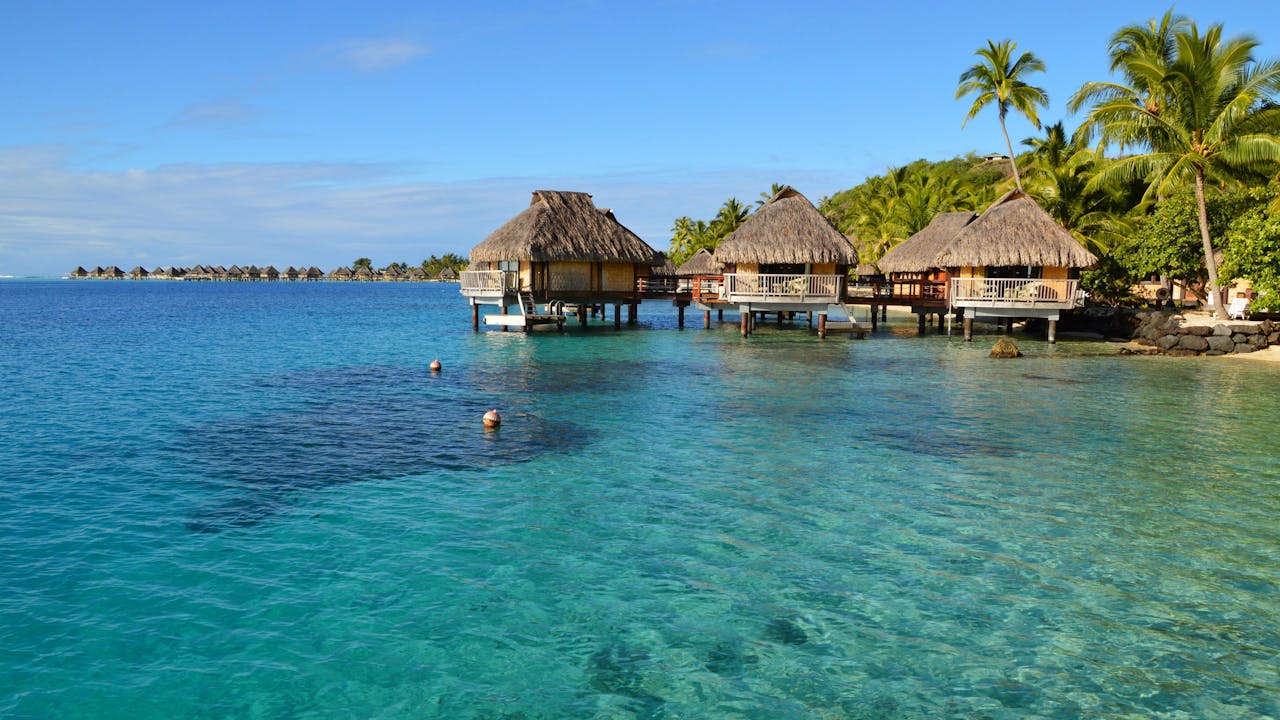
The lagoon is genuinely that blue. Mount Otemanu actually looks like that. And the overwater bungalows — yes, they're expensive, but there are ways to do Bora Bora without spending your entire savings. Here's the cheapest fare our AI has detected, plus how to plan the trip intelligently.
Why Bora Bora, right now
Bora Bora is legitimately one of the most beautiful places on the planet — the lagoon color, the volcano silhouette, the coral gardens in shallow water you can wade into. That part isn't marketing. What is marketing is the idea that you need to spend $1,500 a night in an overwater bungalow to experience it. The lagoon is accessible by kayak. The snorkeling is free. The fish are everywhere. A mid-range pension guesthouse on the main island runs $150–$250/night and puts you 10 minutes by boat from the best reefs.
The logistics are worth understanding. You fly into Papeete on Tahiti (a big international airport), then take a 50-minute Air Tahiti inter-island flight to Bora Bora's small airport on a motu (coral island). Budget $150–$250 round-trip for that connection. Most resorts include boat transfers from the airport motu to the main island in their rates. The island itself is small — you can circumnavigate it by bicycle in under 3 hours.
French Polynesia uses the CFP franc (pegged to the euro), which means the dollar's strength matters. At current rates, a decent restaurant dinner runs $30–$50 per person, a fresh tuna poké bowl at a roulotte food truck costs $8–$12, and a lagoon excursion with a local operator runs $60–$120 per person. It's expensive by Southeast Asia standards but not astronomical if you're strategic about where you sleep.
Top 5 things to do in Bora Bora
-
Lagoon snorkeling and shark/ray excursionThe shallow lagoon around the motus holds blacktip reef sharks (harmless), lemon sharks, and stingrays so used to visitors they swim between your legs. Book a half-day boat excursion ($60–$90) that hits the shark nursery, a coral garden, and a stingray feeding stop. Morning departures have calmer water and better visibility.
-
Circumnavigate the island by scooter or bikeThe main island road is 18 miles and mostly flat. Rent a scooter ($30–$50/day) or electric bike ($20–$35/day) and stop at the few remaining WWII gun emplacements on the north side, Matira Beach (the island's only public beach), and Fa'anui Bay with its fish farms. Takes 3–4 hours with stops.
-
Mount Otemanu 4WD or hikeThe extinct volcano peaks at 2,385 feet. You can't summit it (restricted, unstable terrain), but guided 4WD tours climb the interior ridges for panoramic lagoon views ($60–$80). The trek to the base camp is doable independently — it's 2–3 hours round-trip through jungle. Start early; it gets hot by 10am.
-
Motu picnic and snorkeling day tripSeveral operators run full-day motu (sand island) excursions that include a beach BBQ of fresh fish and poisson cru (Polynesian raw fish in coconut milk), unlimited lagoon access, and multiple snorkeling stops. Cost is typically $100–$150 per person all-inclusive. One of the best ways to experience the outer lagoon without resort prices.
-
Matira Beach sunsetThe only public white-sand beach on the island, on the southern tip. Free, no crowds compared to resort beaches, and faces west for direct sunset views over the lagoon. Arrive around 4:30pm to claim a spot. The roulotte food trucks nearby serve poké and grilled fish for $8–$15 — ideal for a sunset dinner without resort prices.
Lagoon tours, dive operators, and snorkeling excursions in Bora Bora book out weeks in advance during peak season. Lock in your experiences before you land.
Explore Bora Bora activities on TripAdvisor →Practical info for US travelers
| ✈️ Airport | BOB — Motu Mute Airport, on a coral island across the lagoon. All resorts and most guesthouses provide boat transfers. Inter-island flights connect via Papeete (PPT) on Tahiti. |
| 🛂 Visa | No visa required for US citizens (French Polynesia is a French collectivity). Stay up to 90 days with a valid US passport. |
| 💵 Currency | CFP franc (XPF). $1 ≈ XPF 110. Cards accepted at resorts; carry cash for roullotes, markets, and small operators. No ATM on outer motus. |
| 🗣️ Language | French and Tahitian. English spoken at all resorts and most tourist businesses; less common at local restaurants and markets. |
| 🕐 Time zone | TAHT (UTC−10), 5 hours behind EST. Bora Bora does not observe daylight saving. |
| 🌡️ Climate | Tropical. Year-round 77–88°F. Dry season May–October, wetter November–April. Rain comes in short bursts even in dry season. |
| 🔌 Plugs | Type A/B (same as USA), 110V at some properties; 220V at others. Check with your specific accommodation — adapters/converters may be needed. |
| 🛡️ Safety | Very safe. Petty theft at beaches is the main concern — don't leave valuables unattended on Matira Beach. Sunscreen: reef-safe products are required by law to protect the coral. |
Best time to visit
May through October is the dry season — clearer skies, calmer seas, and lower humidity. July and August see peak tourism (French school holidays), which drives up resort prices 20–30% and fills the lagoon excursions. If you can go in May, June, or September, you get dry-season conditions with noticeably fewer people and better availability at guesthouses and tour operators.
November through April is wetter, but "wet season" in French Polynesia means afternoon rain showers, not days-long downpours. Water visibility for snorkeling stays excellent year-round since the lagoon is sheltered. January and February are the rainiest months; March and April start transitioning back toward dry. Whale season runs July–October — humpbacks pass through the islands and can sometimes be spotted from the lagoon.
Where to stay
We've mapped available hotels across Bora Bora — from pension guesthouses to full overwater bungalow resorts. Pick your dates and see live pricing.
Browse Bora Bora hotels on the map →📅 Dates are pre-filled from today's best flight deal when available — double-check them before booking.
Getting around
The island is tiny — 18 miles around the perimeter road. Bicycles and scooters are the local transport standard. Rent from shops near Vaitape dock ($20–$50/day depending on type) and go. No traffic lights, one main road, everything is accessible. If you're staying at a resort motu, your primary transport is the hotel boat shuttle.
Le Truck, the traditional Polynesian public bus (an open-air flatbed), runs along the coastal road and costs about $2 a ride. Sporadic schedules — not for time-sensitive trips. Water taxis cross between the main island and the airport motu for $15–$25 per person if your accommodation doesn't include a transfer.
There are no Ubers or taxis in the traditional sense. The island is so small they'd be pointless. A few local drivers operate informal transfers for $30–$50 for a full island loop. Ask at your guesthouse.
Food & local tips
Poisson cru is the national dish of French Polynesia — raw tuna marinated in lime juice and coconut milk, served with cucumber and tomato. It's available everywhere from roulotte trucks ($8–$12) to resort restaurants ($25–$40 for the same thing). The roulotte version is usually fresher, made with that day's catch. Matira Beach area has the densest cluster of food trucks; most open at lunch and dinner.
Most overwater resort rates include breakfast — but at $50–$80 per person per day added on. Check whether it's included or optional, and opt out if you plan to eat at roullotes and local spots. That "free" breakfast often costs more than eating like a local for the entire day.
Reef-safe sunscreen is legally required and actively enforced at snorkeling and diving sites. Bring it from home — local stores stock it but at significant markup ($25–$40 for a regular-sized bottle). Pack mineral-based SPF 50 and you'll be fine with the regulations and the equatorial UV index. Water is potable from taps at most accommodations, but bottled water is the local default; confirm with your property.
Ready to fly to Bora Bora?
Search live fares on Kiwi.com — remember to look for flights to Papeete (PPT) as your main international gateway, then connect on Air Tahiti to Bora Bora (BOB). Our AI tracks this route daily — set a price alert on the homepage for notifications when fares drop.
✈️ Search flights to Bora Bora